Got a tree on your property that's seen better days, or maybe it's just in the way of your next big project? Tree removal isn't a job to take lightly, especially here in Billings where we get all sorts of weather, from gusty winds to heavy snows that can make a falling tree unpredictable. As someone who's been doing this for a long time, I've seen it all, and I want to help you understand what goes into a safe and successful tree removal.
Before You Even Think About Cutting
First things first: safety and planning. This isn't just about grabbing a chainsaw and going at it. That's how people get hurt, or worse, cause serious damage to their home, their neighbor's place, or the power lines. Trust me, I've had to clean up those kinds of messes.
- Assess the Tree: How big is it? What kind of tree is it? Is it healthy, or is it diseased, rotten, or already leaning? A healthy, smaller tree (say, less than 15-20 feet tall with a trunk diameter under 8-10 inches) might be a DIY possibility for someone with experience and the right gear. Anything bigger, or if it's compromised, is usually a job for the pros.
- Look Around: What's directly under or near the tree? Your house? Your neighbor's fence? Power lines? A shed? Your prize-winning petunias? The potential for damage is huge. If there's anything valuable within the tree's fall radius, you really need to reconsider DIY.
- Check for Utilities: Always, always, always call 811 before you dig, even for stump removal. You don't want to hit a gas line or an electrical conduit. It’s free, it’s easy, and it could save your life or prevent a massive headache.
- Permits: Most residential tree removals in Billings don't require a city permit unless it's a street tree (meaning it's in the city right-of-way between the sidewalk and the street) or if your property is part of a specific historical district or has a conservation easement. But it's always smart to double-check with the City of Billings Planning Department if you're unsure. Better safe than sorry.
- Equipment: If you're going DIY, do you have the right tools? A sharp, well-maintained chainsaw, safety glasses, hearing protection, a hard hat, chaps, and sturdy work boots are non-negotiable. Don't skimp on safety gear.
During the Removal: When DIY is Possible (and When It's Not)
Okay, so you've assessed everything, and you've decided it's a small, healthy tree in a clear area, and you're confident in your skills. Here's what you need to keep in mind:
- Clear the Area: Make sure no one else is around. No kids, no pets, no curious neighbors. Set up a perimeter.
- Plan Your Escape Route: Know exactly where you're going to go once that tree starts to fall. Don't just stand there watching it.
- Felling Notching: This is crucial. You need to make a proper notch on the side you want the tree to fall, then make your felling cut from the opposite side. If you don't know how to do this correctly, stop. Seriously, stop. This is where things go sideways fast.
- Watch for Kickback: Chainsaws are powerful tools. Understand how kickback happens and how to avoid it.
Now, let's talk about when DIY is absolutely NOT the answer. If the tree is:
- Close to your house or any structure.
- Near power lines.
- Very tall or has a large diameter.
- Leaning significantly or has a complex canopy.
- Diseased, hollow, or otherwise unstable.
- In a tight spot with limited fall zones.
- Requiring climbing or specialized rigging.
In any of these scenarios, you're not just risking property damage; you're risking serious injury or even death. This is where you call in a professional. Guys like us at Lockwood Tree Solutions have the training, the insurance, and the specialized equipment (cranes, lifts, rigging gear) to safely take down even the most challenging trees. We deal with those tricky Ponderosa pines in the Rimrock area all the time, where space is tight and the ground can be uneven.
After the Tree is Down: Cleanup and Stump Management
So, the tree is down. Great! Now what?
- Limbing and Bucking: You'll need to cut the branches off (limbing) and then cut the trunk into manageable sections (bucking). Again, proper chainsaw technique is key here to avoid kickback and binding.
- Wood Disposal: What are you going to do with all that wood? You can cut it for firewood, chip it, or haul it away. Many local transfer stations in the Billings area accept yard waste, but check their policies and fees.
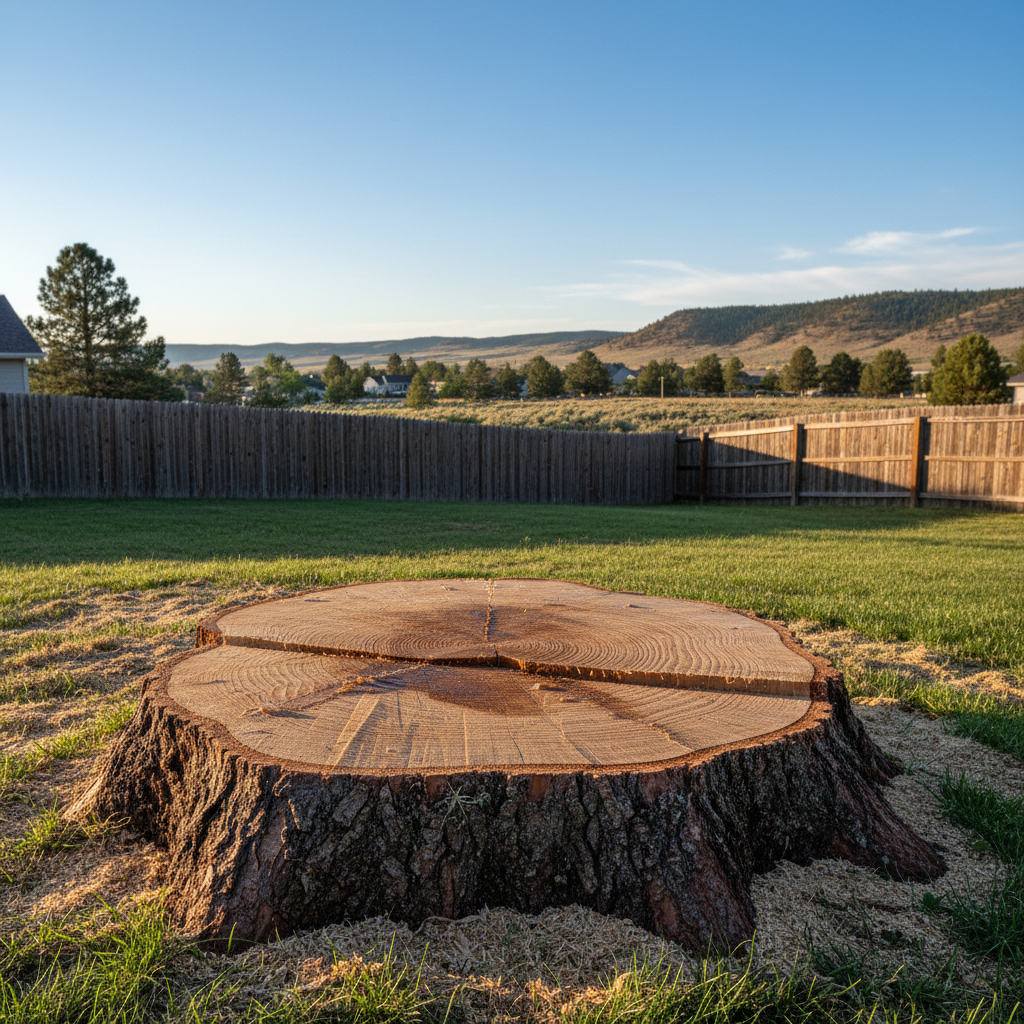
- Stump: You're left with a stump. You've got a few options here. You can leave it as is, maybe turn it into a planter or a natural garden feature. You can try to remove it yourself, but be warned, digging out a large stump is back-breaking work and often requires heavy machinery. The most common and effective solution for most homeowners is stump grinding. A grinder chews the stump down below ground level, leaving you with wood chips that you can use as mulch or fill in the hole with soil. We offer stump grinding as part of our services, and it's usually the cleanest, easiest way to deal with it.
Look, I get it. We all want to save a buck, and sometimes a DIY project feels good. But when it comes to tree removal, especially anything beyond a small, straightforward job, the risks far outweigh the potential savings. Don't gamble with your safety or your property. If you're unsure, or if the job looks even a little bit tricky, give us a call at Lockwood Tree Solutions. We're happy to come out, take a look, and give you an honest assessment and a free estimate. We'd rather see you safe and sound than dealing with an emergency.