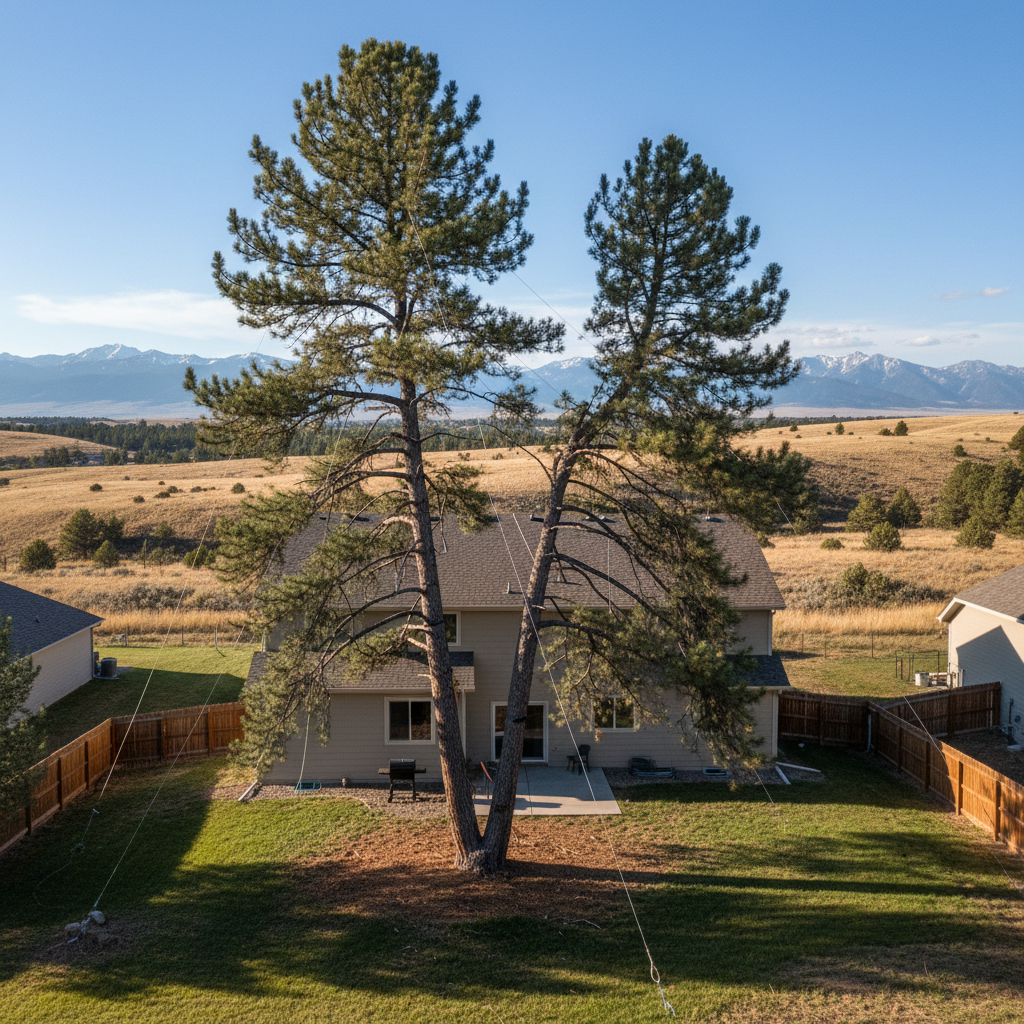
Is that big old cottonwood in your yard looking a little worse for wear? Maybe a split crotch or a heavy limb hanging precariously over your garage? Before you think about taking it down, let's talk about tree cabling and bracing. It's a smart way to save a valuable tree, extend its life, and protect your property.
I've seen plenty of trees around Billings, from the old growth in the North Side to the newer plantings out in the Heights, that could benefit from some structural support. It's not always about removal; sometimes, a little proactive work makes all the difference.
Understanding the Timeline
So, you're thinking about cabling a tree. What's the timeline look like? It's not an emergency tree removal, so you've got some breathing room, but don't drag your feet if you've noticed a problem. The best time to assess and plan for cabling and bracing is typically when the leaves are off the trees – late fall, winter, or early spring. Without all that foliage, we can get a much clearer view of the tree's structure and identify potential weaknesses more accurately.
Once you've decided to move forward, scheduling depends on a few things: the arborist's availability, the complexity of your project, and the weather. We get some pretty wild swings here in Billings, from freezing cold to sudden spring snowstorms, so we always keep an eye on the forecast. A typical cabling job on a single tree might take anywhere from a few hours to a full day, once we're on site. But getting to that point, from initial call to completion, could be a couple of weeks to a month, especially during busy seasons.
What to Expect During the Process
First off, an ISA Certified Arborist will come out to your property. They'll do a thorough inspection of the tree, looking for weak spots, included bark, cracks, or heavy limbs that are at risk of failure. They'll explain why cabling or bracing is recommended and show you exactly where the hardware will go. This isn't just about throwing a cable up there; it's a precise science designed to redistribute stress and provide supplemental support.
When the crew arrives for the work, they'll have all the specialized equipment – climbing gear, ropes, harnesses, drills, and the actual cabling and bracing hardware. We use non-invasive methods as much as possible, often drilling small pilot holes for the hardware and installing high-strength steel cables or rigid rods. It's all about providing support without causing further damage. You'll see us working safely, often with ropes and harnesses, sometimes even with a bucket truck if the tree is big enough and accessible. We'll clean up all our debris, leaving your yard looking as good as, or better than, when we started.
How to Prepare Your Property
Prepping for a cabling and bracing project isn't a huge ordeal, but a little effort from you can make things run smoother and safer. Here's what I recommend:
- Clear the work area: Move any patio furniture, grills, kids' toys, or anything else that's directly under or near the tree. We need clear access and a safe zone.
- Secure pets and kids: This one's important. Keep pets indoors or in a secure, fenced area away from the work zone. Make sure kids know to stay clear of the crew and equipment.
- Point out underground utilities: If you know about any sprinkler lines, invisible dog fences, or shallow utility lines near the tree, let us know. While we're mostly working up in the tree, it's good to be aware of anything underground.
- Ensure access: If we need to bring in a bucket truck or chipper, make sure the driveway or yard access is clear. Sometimes, a quick chat about where we can park our vehicles helps a lot.
- Communicate: If you have any specific concerns or questions on the day of the work, don't hesitate to ask the crew leader.
Questions to Ask Before Signing a Contract
Before you commit to any work, you need to feel confident in your arborist. Here are some key questions you should be asking:
- Are you ISA Certified? This isn't just a fancy title; it means they've got the knowledge and ethical standards to back up their work. Ask for their certification number.
- Do you have insurance? Specifically, ask for proof of liability insurance and worker's compensation. If something goes wrong and they're not insured, you could be on the hook. Don't just take their word for it; ask for the certificate.
- Can you provide references? A reputable company should be happy to provide contacts for past clients.
- What specific type of cabling/bracing do you recommend, and why? They should be able to clearly explain their approach and the hardware they plan to use. There are different systems for different situations.
- What's the expected lifespan of this solution? Cabling isn't a one-and-done for eternity. It's a long-term solution, but trees grow, and hardware can wear. Ask about inspection recommendations.
- What's included in the price? Make sure the quote covers everything: materials, labor, cleanup, and disposal. No surprises.
- What's your policy on damage? In the unlikely event something gets damaged, how do they handle it?
- Will you provide a written contract? Always get everything in writing. It protects both you and the arborist.
Choosing the right arborist for cabling and bracing is a big decision for the health of your trees and the safety of your property. Here at Lockwood Tree Solutions, we believe in clear communication and doing the job right. Don't hesitate to reach out if you've got a tree that needs a little extra support.