Before You Grab Those Shears: Planning Your Trim
So, you're looking at your overgrown bushes and thinking it's time for a trim. Good on you for wanting to keep your yard looking sharp! But before you just start hacking away, there are a few things you really ought to consider. Trust me, I've seen plenty of folks make a mess of their shrubs because they didn't have a plan.
First off, know your plants. Seriously, this is probably the most important step. Different shrubs have different needs. Is it a flowering shrub? If so, when does it bloom? If it blooms on old wood (like lilacs or forsythia), you want to prune it right after it finishes flowering. If it blooms on new wood (like hydrangeas or roses), you'll typically prune in late winter or early spring before new growth starts. Pruning at the wrong time can mean you lose all your beautiful flowers for the year, and nobody wants that.
Next, what's your goal? Are you just doing a light shaping to keep things tidy (maintenance pruning)? Are you trying to reduce its size significantly (reduction pruning)? Or are you trying to encourage new growth and rejuvenate an old, leggy plant (rejuvenation pruning)? Your goal will dictate how much you cut and where. Don't just trim for the sake of trimming; have a purpose.
Finally, gather the right tools. For most homeowners, a good pair of hand pruners (bypass pruners are usually best for live wood), loppers for thicker branches, and maybe a small pruning saw for anything over an inch or so will do the trick. Make sure they're sharp and clean. Dull tools tear and damage branches, which makes your plant more susceptible to disease. And always wear gloves and eye protection – those branches can snap back at you!
During the Trim: Making the Right Cuts
Alright, tools in hand, plan in mind. Now for the actual cutting. The general rule of thumb is to remove no more than about 25-30% of the plant's total mass in one season. Over-pruning can stress the plant and even kill it. You're trying to help it, not hurt it.
Start by removing any dead, diseased, or damaged branches. These are easy to spot – they'll be brittle, discolored, or just look unhealthy. Cut them back to healthy wood or to the main stem. This is crucial for the plant's health and prevents the spread of disease.
Next, look for crossing or rubbing branches. When two branches rub together, they create wounds that are entry points for pests and diseases. Pick the stronger, better-placed branch and remove the other.
When you're making your cuts, always cut at an angle just above a bud or a branch union. The angle helps water run off, reducing the chance of rot. Don't leave stubs – these don't heal well and can invite problems. Don't cut too close to the main stem either, as that can damage the branch collar, which is essential for proper healing.
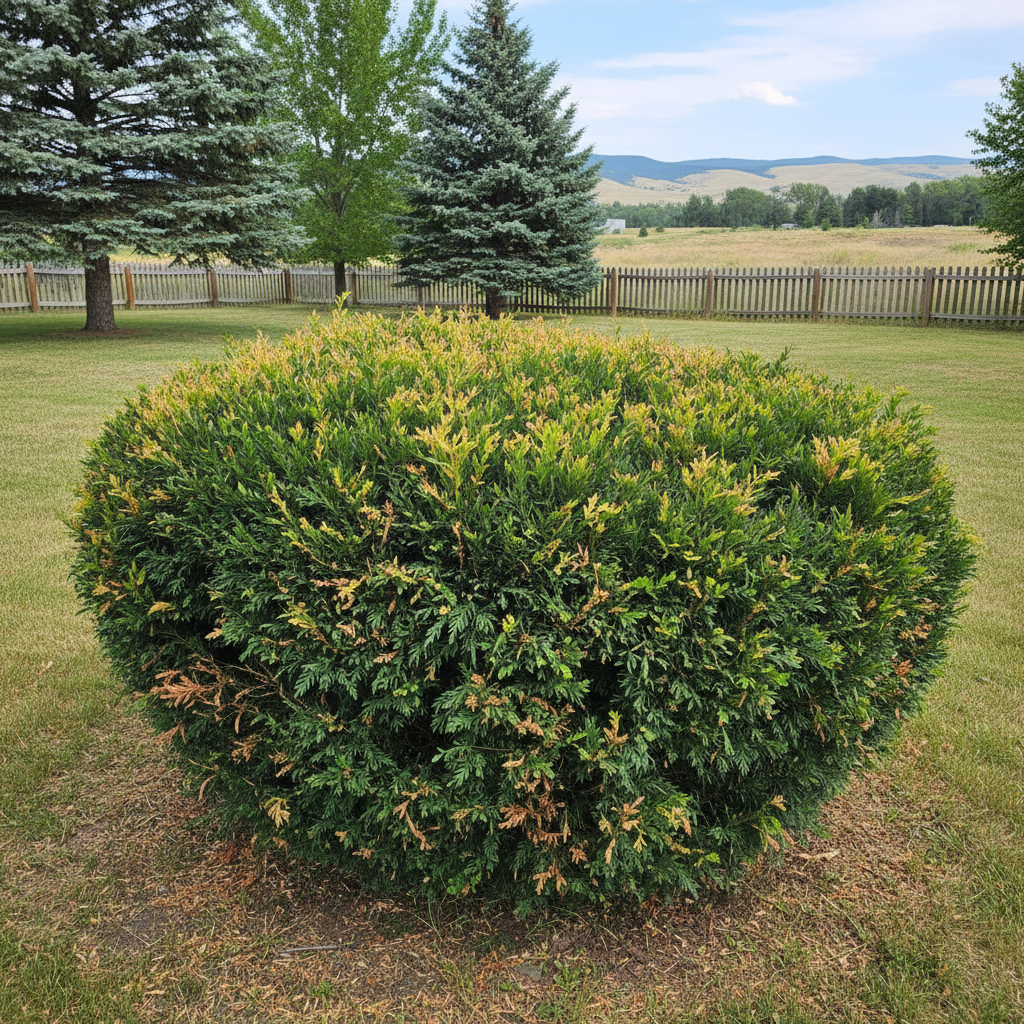
For shaping, step back frequently and look at the plant from different angles. You want to maintain its natural form as much as possible. Avoid making it look like a perfectly round ball unless that's the natural growth habit of the plant. Think about air circulation too; thinning out the interior can help prevent fungal issues, especially in our sometimes-humid Billings summers.
Now, when should you call in the pros? If your shrubs are really big, like taller than you can comfortably reach with loppers, or if they're right up against your house and you're worried about damaging siding or windows, it's probably time to call someone like Lockwood Tree Solutions. We've got the ladders, the tools, and the experience to handle those bigger jobs safely and effectively. Also, if you're dealing with thorny bushes like roses or certain junipers that are just a nightmare to get through, a professional can save you a lot of scratches and frustration.
After the Trim: Care and Observation
You've done the hard work, now what? First, clean up all those clippings. Leaving them around can harbor pests and diseases. A good rake and a yard waste bag will do the trick. You can also chip them if you have a chipper, or compost them if you know they're disease-free.
After a significant trim, your shrubs might appreciate a good drink of water, especially if it's been dry. A little bit of balanced fertilizer can also help encourage new, healthy growth, but don't overdo it. Too much fertilizer can burn the roots.
Keep an eye on your plants in the weeks and months following the trim. Look for signs of stress, new growth, or any unexpected issues. Sometimes, a plant might react differently than you expect, and early detection of problems can save it. If you notice a lot of yellowing leaves, wilting, or unusual spots, it might be time to do a little research or call in an expert.
Remember, trimming is an ongoing process, not a one-and-done deal. Most shrubs benefit from annual or bi-annual attention. By understanding your plants, using the right techniques, and knowing when to ask for help, you can keep your Billings landscape looking fantastic for years to come.