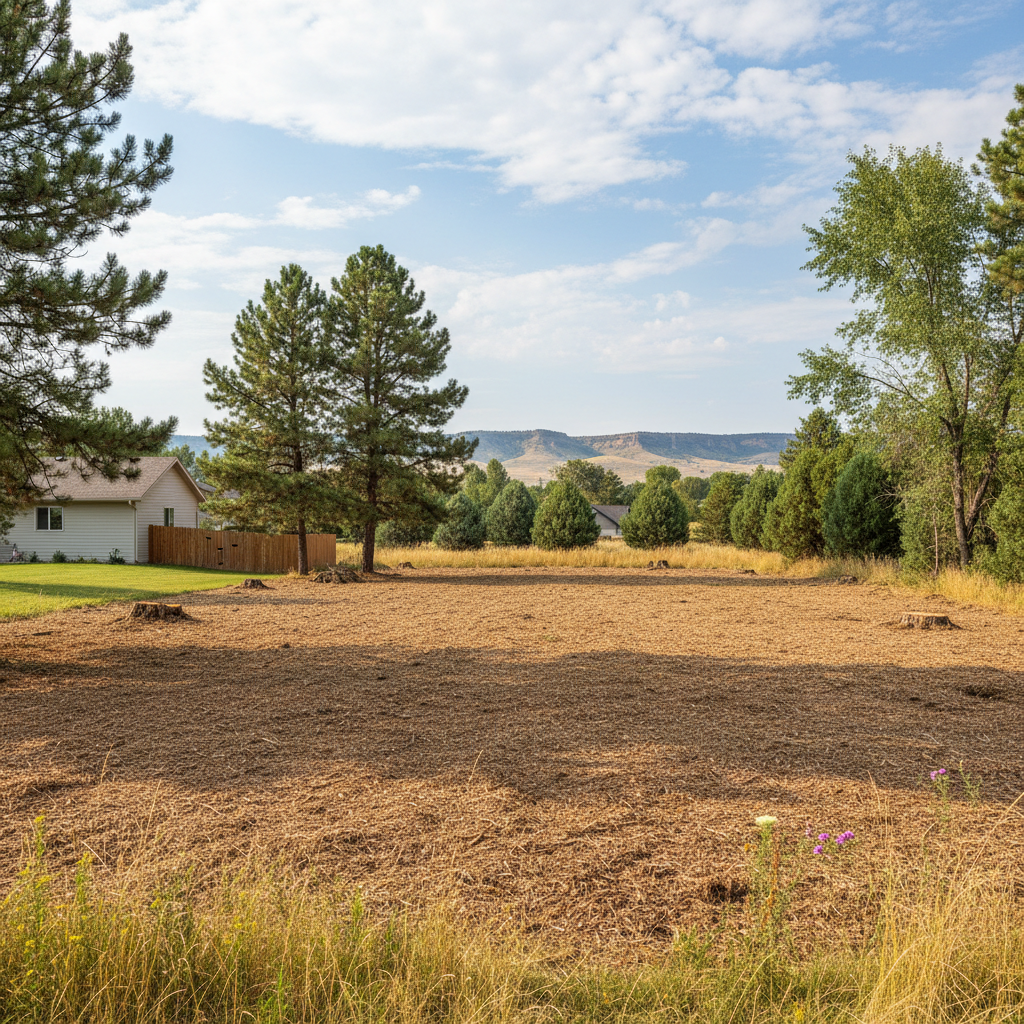
You just had a big lot clearing job done, maybe for a new build or just to reclaim some overgrown land. It looks fantastic, right? All that brush, those small trees, the weeds – gone. But here's the thing: nature doesn't give up that easily, especially not here in Montana. If you don't keep up with it, that cleared land will start to look like a jungle again before you know it. We see it all the time, folks thinking the job's done forever. It's not. It's an ongoing process, and a little regular maintenance goes a long way to protecting your investment.
Extending the Life of Your Lot Clearing
The biggest thing you can do to make your lot clearing last is to get ahead of the regrowth. Think of it like weeding a garden; if you pull them when they're small, it's easy. Wait until they're knee-high, and you've got a real chore on your hands. After we've cleared a lot, especially if it was heavily overgrown with things like Russian olive or cheatgrass, those seeds are still in the soil, just waiting for their chance. You've removed the competition, so they'll sprout up quick. The first few months are crucial. Walk your property regularly and pull out any new sprouts you see. If you let them get established, their root systems will take hold, and you're back to square one.
Another key is managing water. In Billings, we get our fair share of moisture, especially in spring. Overly wet areas can encourage fast regrowth of certain species. If there are low spots that tend to collect water, consider some basic drainage improvements. Even just a small trench can make a difference. Conversely, if you're trying to establish grass or other desired vegetation, make sure it's getting enough water to outcompete the weeds.
What Regular Maintenance Looks Like
For most cleared lots, regular maintenance isn't a huge undertaking if you stay on top of it. Here’s what I usually recommend:
- Seasonal Walks: Take a good stroll around your property at least once a season. Spring is critical for catching new growth. Summer is for dealing with anything that got a head start. Fall is good for clearing leaves and checking for any late-season invaders.
- Targeted Removal: You're looking for saplings, aggressive weeds, and any invasive species that might be trying to make a comeback. For small stuff, hand-pulling is fine. For slightly larger saplings, loppers or a small saw will do the trick.
- Mowing/Brush Hogging: If your cleared area is large enough and you're not trying to establish specific landscaping, regular mowing or brush hogging can keep things in check. This prevents woody plants from getting established and keeps weeds from going to seed. We've got plenty of folks in the Heights who do this to keep their larger lots tidy.
- Consider Ground Cover: If you're not building right away, planting a desirable ground cover like native grasses or clover can help suppress weeds. They'll compete for resources and make it harder for unwanted plants to take hold. Just make sure whatever you plant is suitable for our climate and soil conditions.
Warning Signs of Problems
You don't want to wait until you've got a forest again to realize you've got a problem. Here are some red flags:
- Rapid Regrowth of Woody Plants: If you're seeing small trees and shrubs popping up everywhere, and they're growing fast, you've missed a few maintenance cycles. Species like cottonwood, willow, and even some invasive junipers can grow incredibly quickly here.
- Dominance of Invasive Species: Keep an eye out for plants that weren't there before or are spreading aggressively. Russian olive, leafy spurge, or even some types of thistle can take over a cleared area fast. They often outcompete native plants and are tough to get rid of once established.
- Erosion: If you've cleared a slope, watch for signs of soil erosion, especially after heavy rains. Exposed soil can wash away, creating gullies and making it harder for anything to grow. This is particularly important with our clay soils around Billings, which can be prone to compaction and runoff.
- Pest or Disease Outbreaks: While less common on a newly cleared lot, if you've left some desirable trees or shrubs, keep an eye out for signs of pests or disease that could spread to new growth or surrounding areas.
When to Call a Professional
Look, sometimes the job just gets away from you, or it's bigger than you can handle alone. That's when you call in the pros. You should definitely reach out to us at Lockwood Tree Solutions if:
- Regrowth is Too Dense: If you're looking at a sea of saplings that are too big to pull by hand, or you can't get a mower through it, it's time for professional equipment.
- Invasive Species Are Out of Control: Some invasive plants require specific treatment methods or herbicides that are best applied by someone who knows what they're doing. We can help identify them and develop a plan.
- You Need Heavy Equipment: If you're dealing with stumps, large root systems, or a significant amount of woody debris, our machinery can handle it safely and efficiently.
- Erosion Control is Needed: If you have serious erosion issues, a professional can assess the situation and recommend solutions like terracing, hydroseeding, or installing erosion blankets.
- You're Planning Further Development: If your lot clearing was the first step toward building or landscaping, we can help ensure the ground is properly prepared for the next phase, saving you headaches down the road.
Keeping your cleared lot looking good doesn't have to be a full-time job. A little consistent effort will save you a lot of time and money in the long run. Stay vigilant, and your property will stay clear and ready for whatever you have planned for it.