A tree falling on your house or blocking your driveway isn't just an inconvenience; it's a full-blown emergency. I've seen it countless times here in Billings, especially after a heavy snowstorm or one of those crazy summer wind gusts we get. When that happens, you're probably stressed, maybe a little scared, and definitely wondering what to do next. This isn't your average landscaping project; it's about safety and quick action. Let's break down what you need to know to handle it right.
Your Emergency Tree Removal Timeline
When you've got a tree down, time is of the essence, but that doesn't mean you should rush into a bad decision. Here's a realistic timeline:
- Immediate Action (First Hour): First, make sure everyone is safe. If power lines are involved, stay far away and call Northwestern Energy immediately. Don't touch anything. If there's structural damage to your home, get everyone out and call emergency services if needed. Once safety is confirmed, snap some photos for insurance. Then, call a reputable tree service like Lockwood Tree Solutions. We're used to these calls and can usually get an assessment team out pretty fast.
- Assessment & Quote (1-2 Hours after call): A good crew will come out, assess the situation, and give you an estimate. This isn't just about the cost; they're looking at the safest way to remove the tree, potential hazards, and what equipment they'll need.
- Scheduling & Permitting (Hours to a Day): For true emergencies, removal can often start the same day. If it's less urgent but still critical, it might be scheduled for the next day. Most emergency removals don't require permits, but if the tree is on city property or in a protected area, your tree service will guide you.
- Removal (Hours to a Day): Depending on the size of the tree and the complexity of the situation, the actual removal can take anywhere from a few hours to a full day.
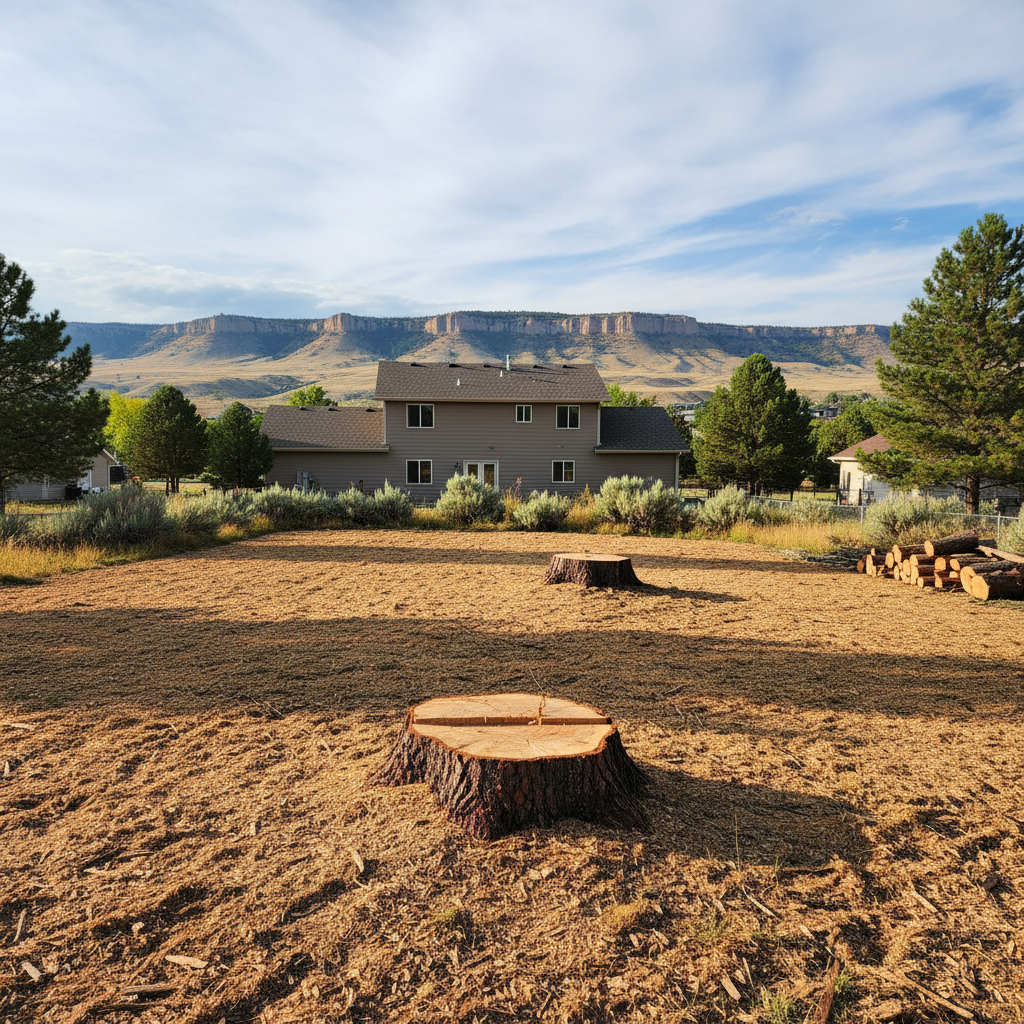
- Cleanup & Follow-up (Same day or next): After the tree is gone, there's cleanup. You'll want to discuss stump grinding and debris removal with your contractor.
What to Expect During the Process
Once you've got a crew on site, here's what typically goes down. It's not always pretty, but it's efficient.
- Safety First: You'll see the crew setting up safety cones, blocking off areas, and possibly even directing traffic if the tree is near a road. They'll be wearing hard hats, safety glasses, and other protective gear. This isn't just for them; it's to keep you and your neighbors safe too.
- Heavy Equipment: Depending on the tree's size and location, you might see cranes, bucket trucks, chainsaws, chippers, and other heavy machinery. This is why you hire professionals – they have the right tools for the job.
- Noise and Debris: It's going to be loud. Chainsaws, chippers, and falling wood make a racket. There will also be a lot of wood chips, branches, and sawdust. A good crew will clean up thoroughly, but expect some mess during the work itself.
- Controlled Demolition: They won't just start hacking away. Arborists are like surgeons for trees. They'll strategically cut sections, lower them safely, and work methodically to minimize further damage to your property. If a tree is on your roof, they'll often try to lift it off rather than just cutting it in place, which can cause more damage.
How to Prepare Your Property
Even in an emergency, a little preparation helps things go smoother for everyone.
- Clear the Area: Move cars, patio furniture, grills, toys – anything that's near the work zone. The less clutter, the safer and faster the crew can work.
- Secure Pets and Kids: Keep children and pets indoors or well away from the work area. This is a construction zone, not a playground.
- Point Out Hazards: Show the crew any underground sprinkler lines, septic tanks, or other buried utilities you know about. Even though they'll usually do their own checks, your input is valuable.
- Communicate with Neighbors: If the tree is near a property line or might impact a neighbor's yard, give them a heads-up. It's just good neighborly practice.
- Have Insurance Info Ready: You'll likely be filing a claim, so have your homeowner's insurance policy number handy.
Questions to Ask Before Signing a Contract
Don't let urgency make you skip due diligence. Before you agree to anything, ask these questions:
- Are you licensed and insured? This is non-negotiable. They should have liability insurance and workers' compensation. Ask for proof. If they don't, you could be on the hook if something goes wrong.
- What's included in the price? Does it cover stump grinding, wood chipping, and debris removal? What about hauling away the logs? Make sure everything is clear.
- How will you protect my property? Ask about their plan to prevent further damage to your home, landscaping, or driveway.
- What's your estimated timeline for completion? Get a realistic expectation for when the work will be done.
- Do you offer emergency services 24/7? For future reference, it's good to know if they're truly available when you need them most.
- Can you provide references? Even in an emergency, a reputable company will have satisfied customers.
- Will you handle the insurance claim directly, or do I need to? Some companies will work directly with your insurance, which can save you a headache.
Dealing with a fallen tree is stressful, but with the right information and a reliable local contractor, you can get through it safely and efficiently. We've dealt with plenty of these situations, from fallen cottonwoods in the Alkali Creek area to wind-damaged pines up on the Rimrocks. Knowing what to expect makes a big difference.