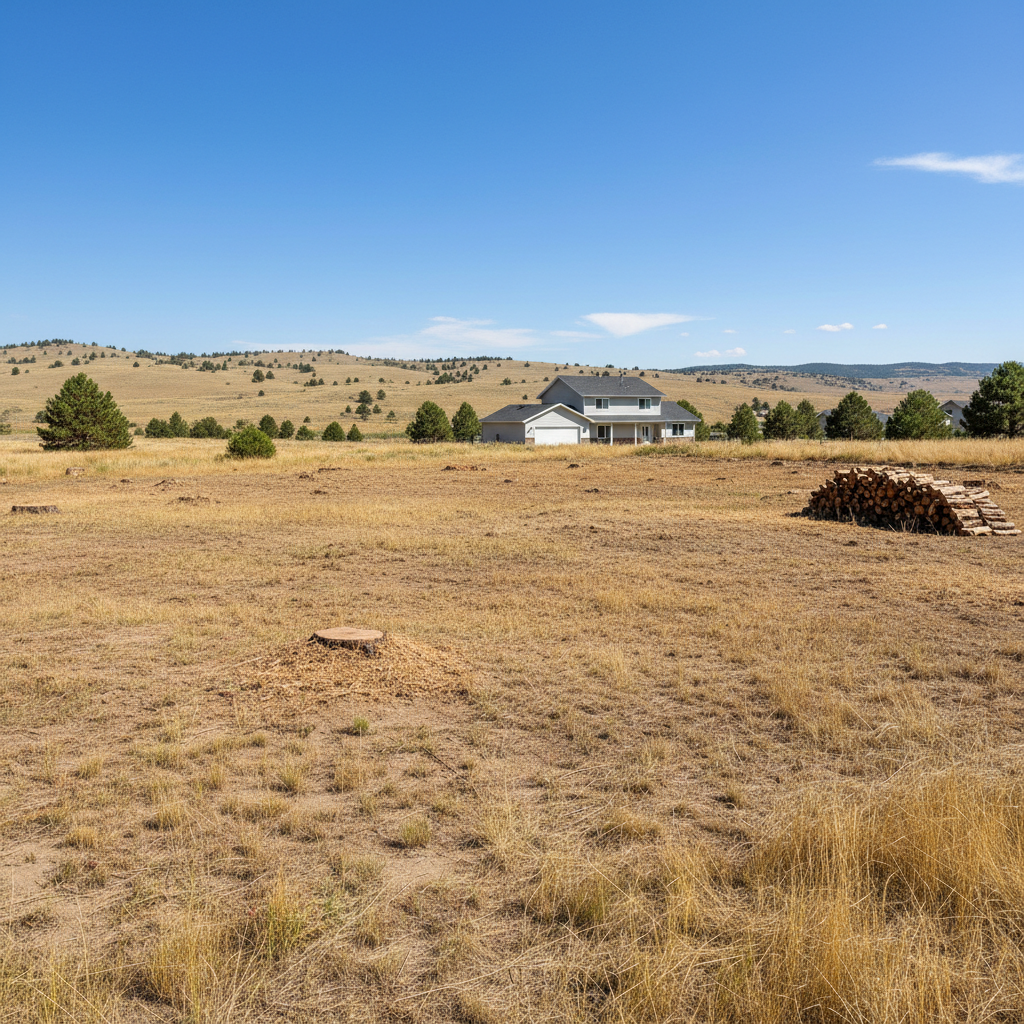
So, you've got a piece of land in Billings that needs clearing, huh? Maybe you're finally building that dream shop, putting in a new garden, or just reclaiming some overgrown space. Whatever the reason, land clearing isn't just about firing up a chainsaw and going to town. There's a process to it, and knowing what to expect can save you a whole lot of headaches and cash.
Setting Your Timeline: What to Expect
Let's talk timelines first, because this isn't an overnight job. How long it takes really depends on a few things: the size of your property, how much vegetation we're talking about (dense forest vs. scattered brush), and the type of equipment needed. For a typical residential lot in, say, the Heights, clearing out some overgrown trees and brush might take anywhere from a few days to a couple of weeks once we actually start the work. But that's just the physical clearing.
Before any dirt gets moved or trees come down, you've got some prep work. You'll need to factor in time for:
- Permits: Depending on what you're doing and where you're located within city or county limits, you might need a permit. Don't skip this. It can take a few weeks to get approvals.
- Utility Locates: Always, always call 811 before you dig. It's the law, and it prevents you from hitting gas lines, water pipes, or electrical conduits. That usually takes a few business days for them to mark everything.
- Contractor Scheduling: Good contractors, like us at Lockwood Tree Solutions, are often booked out. You might need to wait a few weeks, or even a month or two, for us to fit your project into our schedule, especially during peak seasons like spring or fall.
All in all, from deciding you want to clear land to the project actually wrapping up, you should probably budget anywhere from 1 to 3 months. Rushing it usually leads to mistakes.
The Clearing Process: What Happens On-Site
Once everything's lined up, here's a general idea of what actually goes down:
- Site Assessment & Planning: We'll walk the property with you, confirm what needs to go and what stays. We'll mark trees, identify any potential hazards, and finalize the plan.
- Preparation: This is where we bring in the heavy equipment. Depending on the job, that could be excavators, mulchers, dozers, or skid steers. We'll make sure the site is safe, setting up any necessary barriers.
- Vegetation Removal: We'll start taking down trees, brush, and undergrowth. We'll be mindful of any structures or landscaping you want to keep.
- Stump Grinding/Removal: After the trees are down, you'll have stumps. We can grind them below ground level or remove them entirely, depending on your plans for the area.
- Debris Management: All that wood and brush has to go somewhere. We'll chip smaller material, haul away larger logs, and make sure the site is clean. Sometimes we can even mulch on-site, which can be good for the soil.
- Grading (Optional): If you're building, we might do some basic grading to prepare the land for construction, ensuring proper drainage. Billings soil, especially that heavy clay in some areas, can be tricky, so good grading is key.
How to Prepare Your Property
You can do a few things to make the process smoother and potentially save some money:
- Clear the clutter: Move anything you don't want damaged or in the way – garden ornaments, patio furniture, kids' toys, anything.
- Mark what stays: Clearly mark any trees, shrubs, or features you absolutely want to keep. Bright flagging tape works great.
- Access: Ensure there's clear access for our equipment. If we have to clear a path just to get to the work area, that's extra time and cost.
- Talk to neighbors: If the work is near property lines, give your neighbors a heads-up. It's just good practice.
Questions to Ask Before You Sign
This is crucial. Don't just go with the cheapest bid. Ask these questions:
- Are you licensed and insured? This is non-negotiable. You want to make sure they're covered if something goes wrong. We are, of course.
- What's included in the quote? Does it cover stump removal? Debris hauling? Site cleanup? Make sure there are no hidden fees.
- How do you handle permits and utility locates? Some contractors will handle this for you, others expect you to. Clarify this upfront.
- What equipment will you use? This gives you an idea of their approach and capabilities.
- How do you manage debris? Will it be chipped, hauled away, or burned (if local regulations allow)?
- Can you provide references? A reputable company should be happy to provide them.
- What's your estimated timeline for completion? Get a clear idea of when they expect to start and finish.
- What's your payment schedule? Typically, there's a deposit, then payments at certain milestones or upon completion.
Land clearing is a big job, but with the right planning and the right team, it doesn't have to be a nightmare. Do your homework, ask the tough questions, and you'll be well on your way to getting that land ready for whatever you've got planned.