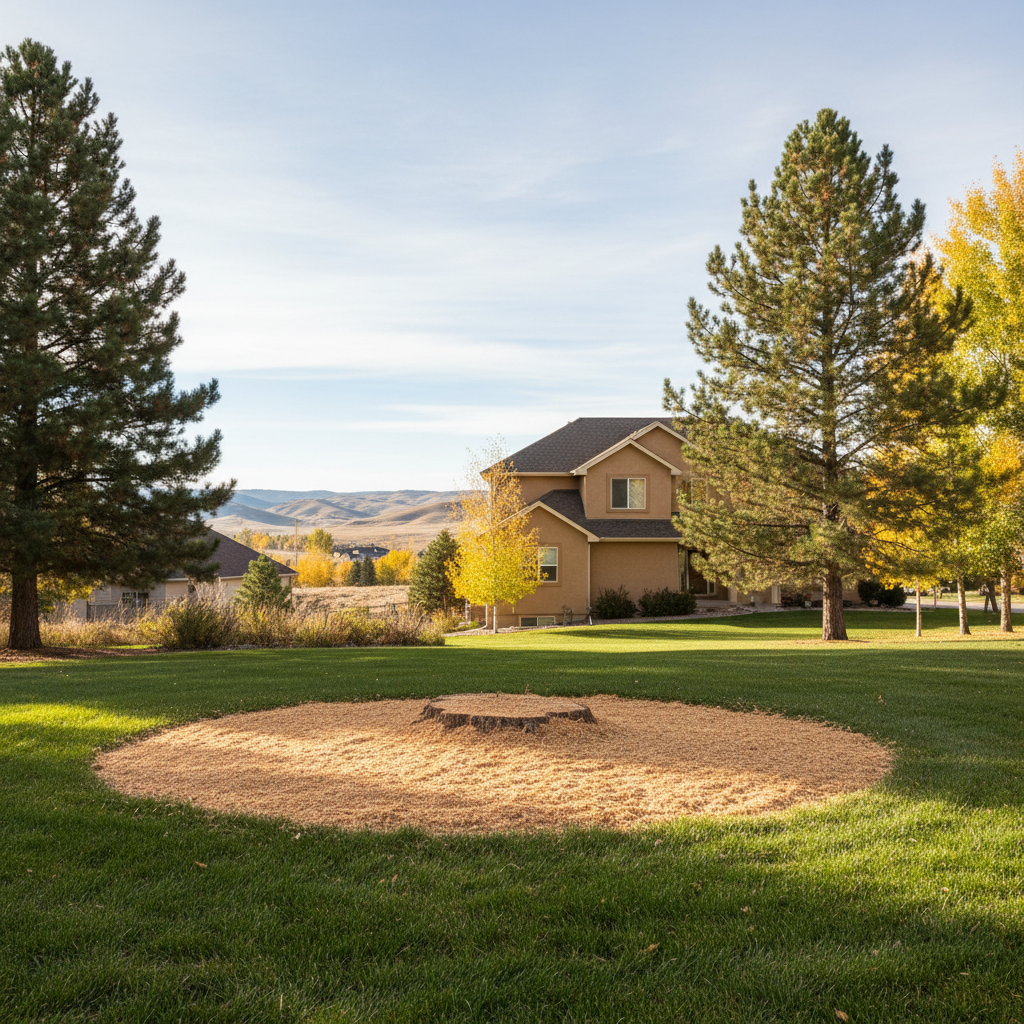
So, a tree came down. Maybe it was a nasty winter storm, or a surprise summer microburst ripped through your neighborhood. Whatever the cause, you dealt with the immediate crisis, got that dangerous timber off your property, and now you're looking at a big open space or a stump. You might be thinking the job's done, but trust me, there's a bit more to it if you want to keep your yard safe and healthy in the long run. We see this all the time in Billings, especially after those crazy wind events we get.
Extending the Life of the Work (and Your Yard)
When I talk about 'extending the life of the work,' I mean making sure that the emergency removal doesn't lead to more problems down the road. It's not just about getting the tree out; it's about what's left behind and how it affects everything else. For example, if a big Ponderosa pine came down, you've now got a lot more sunlight hitting the ground. That can change what grows there. If you've got other trees nearby, their root systems might have been damaged, or they might now be exposed to more wind than they're used to. You want to make sure the area is stable and that any remaining trees are set up for success.
- Stump Removal or Grinding: Don't just leave a stump. It's an eyesore, a tripping hazard, and a magnet for pests like carpenter ants or termites. Grinding it down below grade means you can plant grass or even a new, smaller tree there.
- Soil Remediation: A large tree takes a lot from the soil. Once it's gone, you might have compacted soil or nutrient depletion. Consider adding compost or aerating the area, especially if you plan to replant.
- Assessing Neighboring Trees: The tree that fell might have been protecting others from wind or sun. Check nearby trees for new signs of stress, cracks, or leaning. Sometimes, one falling tree exposes weaknesses in others.
Regular Maintenance: What You Need to Do
This isn't rocket science, but it's easy to overlook. Once the immediate danger is gone, you still need to keep an eye on things, especially with our Billings weather. We get those harsh winters with heavy snow loads and then hot, dry summers with strong winds. These extremes put a lot of stress on trees.
First off, if you had a stump ground out, keep an eye on the area. Make sure it's draining properly and that nothing weird is growing there. Sometimes, if the stump wasn't fully removed, you'll get suckers sprouting up. Just cut 'em back. For any remaining trees, regular maintenance means:
- Annual Inspections: Walk around your property, especially after big storms. Look at all your trees. Are there new cracks? Is anything leaning more than it used to? Are there dead branches?
- Pruning: Get rid of dead, diseased, or crossing branches. This isn't just for looks; it improves the tree's health and reduces the risk of branches breaking off in a windstorm or under heavy snow. Proper pruning also helps the tree develop a strong structure.
- Watering: Even mature trees need water, especially during our dry spells. Don't just rely on rain. Deep watering encourages deep root growth, which makes trees more stable.
- Mulching: A good layer of mulch around the base of trees helps retain moisture, regulate soil temperature, and suppress weeds. Just make sure it's not piled up against the trunk, which can cause rot.
Warning Signs of Problems: Don't Ignore These
You're not an arborist, and you don't need to be. But you can spot obvious problems. If you see any of these, it's time to pay closer attention:
- Cracks in the Trunk or Major Limbs: Especially vertical cracks or cracks that seem to be spreading.
- Cavities or Decay: Holes in the trunk or branches, or soft, crumbling wood.
- Fungi/Mushrooms: Growing at the base of the tree or on the trunk can be a sign of internal decay.
- Leaning: A sudden lean or a progressive lean that's getting worse. Look for soil heaving around the base.
- Dead or Dying Branches: Especially large ones. If a significant portion of the canopy is dead, that's a red flag.
- Pest Infestations: Excessive sawdust, boreholes, or unusual insect activity can indicate a problem.
- Changes in Leaf Color or Size: Leaves that are unusually small, discolored, or dropping prematurely.
Our soil here in Billings, especially in some of the more established neighborhoods like the Heights or West End, can be pretty clay-heavy. This can lead to drainage issues which stress tree roots, making them more susceptible to disease or instability. Keep an eye out for standing water around tree bases after heavy rain.
When to Call a Professional
Look, I run Lockwood Tree Solutions, so of course I'm going to tell you to call a professional. But seriously, there are times when it's just not worth risking your safety or the health of your property. If you see any of those warning signs I just mentioned, or if you're just not sure, pick up the phone. Don't wait until another tree is on your roof.
- When you see significant warning signs: Cracks, severe leaning, major decay. These aren't DIY projects.
- For large-scale pruning: If you're dealing with big branches, or if the tree is close to your house or power lines, leave it to the pros. We have the right equipment and training.
- After a major storm: Even if no trees fell, a professional assessment can identify hidden damage that might not be obvious to the untrained eye.
- When planting new trees: Especially if you're replacing a large tree, getting advice on species selection and proper planting techniques for our climate can save you headaches later.
- Before you buy a property: A tree assessment can be a smart move to identify potential liabilities before they become your problem.
Your property is an investment, and your trees are a big part of its value and safety. A little proactive care and knowing when to call in the cavalry can save you a lot of grief and money down the road. Stay safe out there.